
Nature’s Sunshine Chlorophyll | Liquid Chlorophyll
Explore Nature's Sunshine Chlorophyll — a liquid formula with sodium copper chlorophyllin that supports blood cleansing, immune response, and whole body wellness.
Nature's Sunshine Chlorophyll: A Liquid Formula for Blood, Immunity, and Whole-Body Wellness
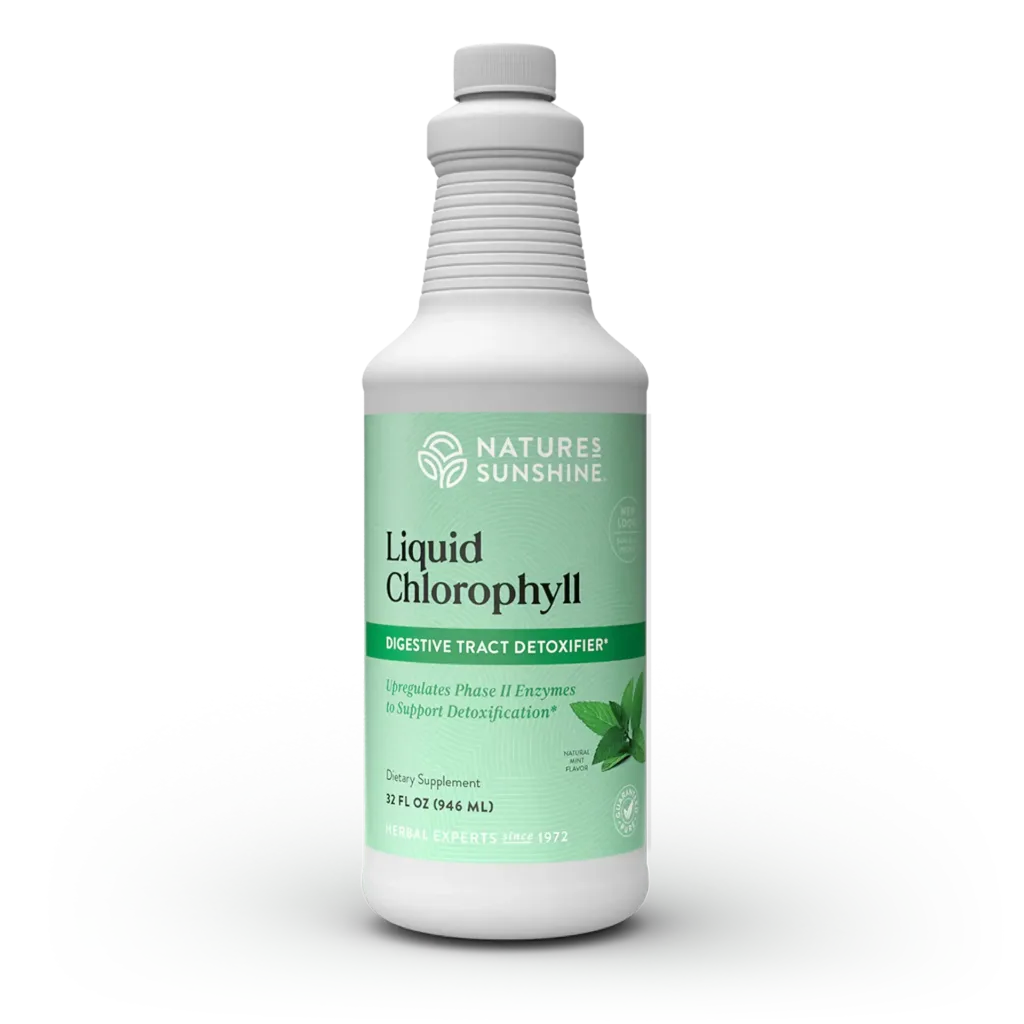
Nature's Sunshine Chlorophyll harnesses the green pigment that powers photosynthesis in plants and transforms it into a convenient liquid supplement for daily use. While Chlorophyll nourishes plant life by converting the sun's rays into energy, it also has a long history of supporting human health — particularly the body's natural blood-cleansing processes.
This 32-oz liquid formula features sodium copper chlorophyllin, a water-soluble derivative of Chlorophyll. Because natural Chlorophyll is fat-soluble and doesn't dissolve cleanly into water, chlorophyllin was specifically developed to make Chlorophyll's benefits accessible in a refreshing, drinkable form. Simply mix it into a glass of cold water, and you have a daily ritual that supports blood health, encourages proper immune response, and acts as a natural deodorizer.
If you're curious how Nature's Sunshine Chlorophyll might fit your personal wellness goals, our naturopath is available for a free consultation — no strings attached.
Key Ingredients
- ✓ Free shipping over $75
- ✓ 90-day easy returns
- ✓ Ships within hours
Who May Benefit from Nature's Sunshine Chlorophyll
Nature's Sunshine Chlorophyll is designed for adults looking for a simple, daily way to support their body's natural blood-cleansing processes, encourage healthy immune response, and promote whole-body wellness. Its liquid format makes it especially approachable for anyone who prefers not to swallow capsules or tablets.
Those interested in Chlorophyll's traditional role as a natural internal deodorizer may also find this formula appealing. Historically, chlorophyllin has been used for this purpose since the 1950s, with studies in specific populations showing potential benefits for controlling body and fecal odors.
Because the safety of Chlorophyll supplements has not been tested in pregnant or lactating women, they should be avoided during pregnancy and lactation. Individuals with rare disorders of copper metabolism, such as Wilson's disease, should limit exposure to copper additives, including supplemental sodium copper chlorophyllin. If you take medications — particularly methotrexate or other chemotherapy agents — speak with a healthcare provider before starting this supplement, as a potential pharmacokinetic interaction has been reported in the literature.
Not sure if this product is right for you? Our naturopath offers free consultations and can help you think through whether Nature's Sunshine Chlorophyll aligns with your health goals.
Directions for Use
Take 2 tablespoons (30mL) in an 8 fl oz glass of cold water daily. Refrigerate after opening.
Many people enjoy making this part of their morning routine — the spearmint oil lends a refreshing, mildly minty flavor that makes it pleasant to drink. The liquid format means no capsules to swallow and easy integration into your day.
Keep in mind that oral chlorophyllin may cause green discoloration of urine or feces, or yellow or black discoloration of the tongue. These are cosmetic effects, not signs of a problem, and have been noted consistently in the literature over more than 50 years of use. Oral chlorophyllin may also result in false positive results on guaiac card tests for occult blood, so let your healthcare provider know if you're taking it before such testing.
What Research Tells Us About Chlorophyllin
Sodium copper chlorophyllin is one of the more extensively studied dietary supplements, with research spanning cancer chemoprevention, detoxification support, deodorization, and antioxidant activity. Here's a grounded look at what the evidence shows.
Carcinogen Binding and Detoxification
The strongest clinical evidence for chlorophyllin comes from aflatoxin chemoprevention research. A landmark randomized, double-blind, placebo-controlled trial in 180 adults in Qidong, China — a region with very high dietary aflatoxin exposure — found that chlorophyllin three times daily for four months produced a 55% reduction in urinary aflatoxin-DNA adduct biomarkers versus placebo. A subsequent pharmacokinetic study confirmed that both SCC and natural Chlorophyll may decrease absorption of aflatoxin B1 in volunteers.
Research suggests chlorophyllin forms tight molecular complexes with certain potential carcinogens, interfering with their gastrointestinal absorption. It has also been documented to modulate xenobiotic-metabolizing enzymes, including inhibiting cytochrome P450 enzymes and inducing phase 2 cytoprotective genes — a complementary detoxification pathway.
Antioxidant and Antimutagenic Properties
The porphyrin ring structure of chlorophylls allows them to function as hydrogen donors, stopping chain oxidation processes. Studies suggest chlorophylls present significant antioxidant activity through chelation of reactive ions and scavenging of free radicals, helping to prevent oxidative DNA damage and lipid peroxidation. They also demonstrate antimutagenic and antigenotoxic activity through the prevention of mutagen migration and its coupling to DNA by the formation of a Chlorophyll–mutagen complex.
Important Context
While the aflatoxin chemoprevention evidence is promising, it was conducted in high-exposure populations, and no clinical outcomes data (such as actual cancer incidence) are yet available from human trials. Many broader health claims for Chlorophyll rest primarily on preclinical data. Natural chlorophylls are not known to be toxic, and no toxic effects have been attributed to chlorophyllin despite more than 50 years of clinical use — but additional research is needed to validate efficacy across various health conditions.
Written by Greg Howlett
Frequently asked questions
Is Nature's Sunshine Liquid Chlorophyll actually Chlorophyll?
The active ingredient is sodium copper chlorophyllin, a semisynthetic, water-soluble derivative of Chlorophyll. In natural Chlorophyll, the central atom is magnesium and the molecule has a fat-soluble phytol tail, making it insoluble in water. In chlorophyllin, the magnesium is replaced by copper and the phytol tail is removed, creating a stable, water-soluble form. Most Liquid Chlorophyll supplements on the market are chlorophyllin rather than natural Chlorophyll, specifically because of this improved water solubility.
Why does Liquid Chlorophyll turn my urine or stool green?
Green discoloration of urine or feces is a commonly reported and well-documented cosmetic effect of oral chlorophyllin use. Yellow or black discoloration of the tongue has also been occasionally noted. These color changes are not harmful and have been observed consistently over more than 50 years of chlorophyllin use in humans. However, be aware that oral chlorophyllin may cause false positive results on guaiac card tests for occult blood — so inform your healthcare provider if you're scheduled for this type of testing.
Does Chlorophyll really work as a natural deodorant?
Chlorophyll has been marketed as an internal deodorant since the 1950s. A 1980 study found that chlorophyllin was helpful in controlling body and fecal odors in 62 geriatric nursing home patients. Another small study in Japanese patients with trimethylaminuria (a specific metabolic disorder) found that oral SCC significantly decreased urinary trimethylamine. However, there is little modern evidence for this deodorizing benefit in otherwise healthy individuals — most supporting research comes from specific populations or older, smaller studies.
Is Liquid Chlorophyll safe for daily use?
Natural chlorophylls are not known to be toxic, and no toxic effects have been attributed to chlorophyllin despite more than 50 years of clinical use in humans. Occasional reports of diarrhea have been noted. However, the safety of Chlorophyll supplements has not been tested in pregnant or lactating women, so they should be avoided during pregnancy and lactation. Individuals with rare disorders of copper metabolism, such as Wilson's disease, should also limit exposure to copper-containing supplements including sodium copper chlorophyllin. If you take medications, consult a healthcare provider before use.
How much chlorophyllin is in each serving of Nature's Sunshine Liquid Chlorophyll?
Each 30 mL serving (2 tablespoons) provides 90 mg of sodium copper chlorophyllin. The bottle contains 32 oz of liquid. The directions recommend mixing 2 tablespoons in an 8 fl oz glass of cold water daily and refrigerating after opening.
Can I speak with someone about whether Liquid Chlorophyll is right for me?
Absolutely. We offer free consultations with our naturopath — no purchase or membership required. Whether you have questions about how Chlorophyll fits into your wellness routine or want guidance on combining it with other supplements, our naturopath can provide personalized insight based on your individual needs.
Talk to Dr. Shannyn Fowl
Not sure if this is right for you? Book a free, no-pressure consultation for personalized guidance on your health goals.
Book your free consult →About Caring Sunshine
A family-run reseller of premium supplements — free shipping, a 90-day guarantee, and real people who know the products.
Learn more about us →